WP-01
Feasibility & cell design
Cycle-time models, reach studies and layout options before capital is committed. We quantify throughput, floor space and integration risk in plain language.
RoboPoint Inc.
RoboPoint is a Canadian AI robotics integration studio that designs, builds and integrates automation for organizations — with engineers and operators in the loop. We are not a robot store, not a robo-advisor, not a toy brand, and we do not promise fully autonomous systems or guaranteed uptime. Perception, motion and safety, integrated on a real floor.
Point statement
RoboPoint is an AI robotics integration and deployment studio in Kitchener-Waterloo. We get perception, motion planning and manipulation to the point of real work on manufacturing, logistics and warehouse floors. The .pro domain is branding only: Robo means physical robotics with computer vision and sensor fusion, not financial robo-advice or robocalls; Point means the point of deployment, not loyalty points or point-of-sale. We are a professional engineering firm — not a robot shop, not a consumer humanoid brand, and not a vendor promising unattended factories. Operators stay in the loop; every cell is risk-assessed.
Capabilities
WP-01
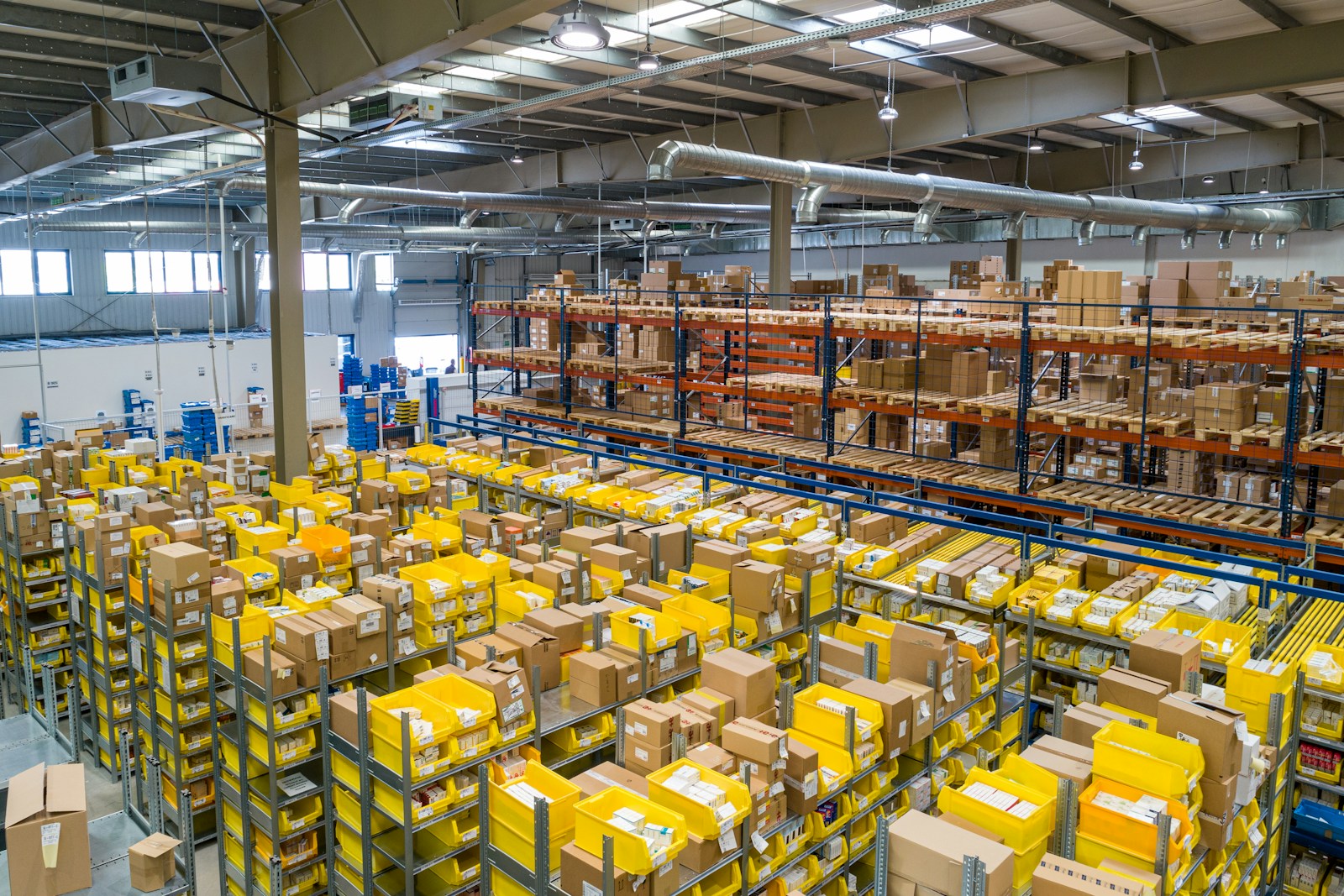
Cycle-time models, reach studies and layout options before capital is committed. We quantify throughput, floor space and integration risk in plain language.
WP-02
2D/3D sensing, pick-point estimation and inspection pipelines tuned to your parts, bins and ambient conditions — not textbook lab scenes.
WP-03
Trajectory planning, force-aware handling and tool-change logic integrated with your MES and quality gates.
WP-04
Autonomous mobile robot routing, traffic rules and handoff zones that respect pedestrians, AGV lanes and fire routes.
WP-05
Node architecture, middleware bridges to PLCs and SCADA, logging and remote diagnostics built for your IT policies.
WP-06
ISO 10218 / ISO 13849 aligned validation, safety PLC programming support and documentation for internal audit and insurers.
How we work
WP 01 · Scope
Site walkthrough, cycle-time capture and honest read on whether robotics fits — including when it does not. Deliverable: scoped statement of work with CAD budget range.
WP 02 · Design
Reach studies, sensor placement, safety zoning and ROS 2 architecture before hardware is ordered. We model the line that jammed when lighting shifted — not a lab-only demo.
WP 03 · Integrate
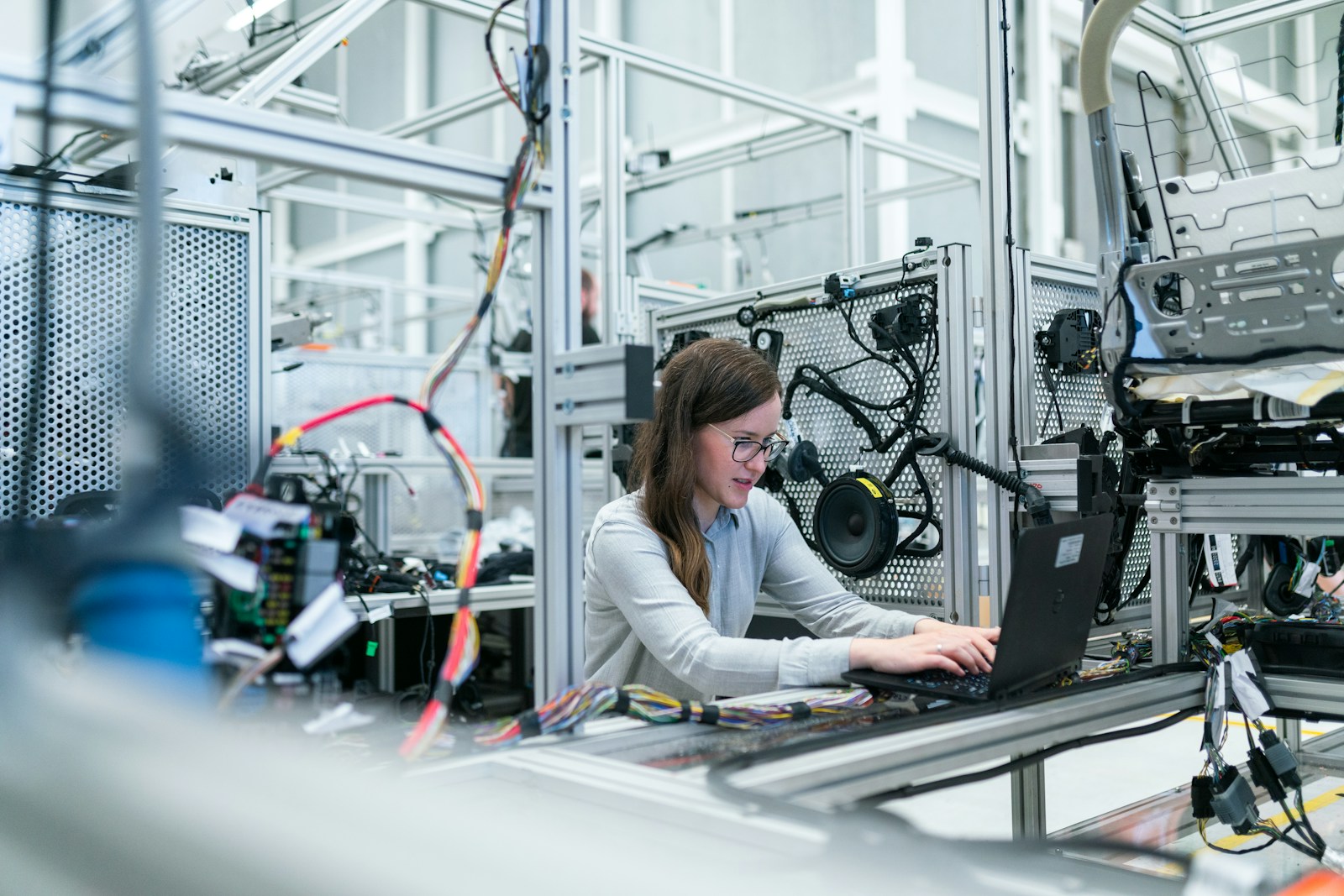
Hardware-in-the-loop at Breithaupt Block or on-site. Vision pipelines, motion programs and PLC interfaces version-controlled with your maintenance team.
WP 04 · Commission
Functional-safety validation, operator training and acceptance runs. ISO 10218 / ISO/TS 15066 aligned documentation — no promise of zero defects or perfect uptime.
Each stage ends with a client-readable deliverable — not a slide deck that disappears into a shared drive. Discovery produces a scope memo; integration produces test logs and version tags; commissioning produces signed acceptance criteria and training attendance records. That paper trail supports internal capital approval, insurer questions and future line extensions without re-hiring us for basic context.
At a glance
6
Core integration disciplines under one roof
ROS 2
Primary middleware for new deployments
PIPEDA
Privacy-aware data handling for Canadian clients
Whether you are evaluating a first collaborative robot at a single station or orchestrating a fleet of AMRs across two buildings, the question is the same: can the system be operated, maintained and audited by your team after we leave? That standard drives every integration choice we make — sensor vendor, network segmentation, backup procedures and training depth.
Our studio model keeps senior integration engineers on your account rather than rotating junior staff. That matters when a vision model drifts after a lighting retrofit, or when a safety relay configuration needs to be explained to an insurer. We document what we deploy: ROS 2 package manifests, PLC tag lists, calibration checklists and functional safety validation records aligned with ISO 10218 and ISO 13849 workflows.
Canadian privacy expectations are part of the integration conversation when cameras, production data or operator metrics are involved. We align field practices with PIPEDA and your internal data policies before any persistent logging is enabled on the floor.
RoboPoint operates Monday through Friday, 08:00–17:00 Eastern Time from Suite 110 at the Breithaupt Block. Call +1 (226) 505-3172 or write to [email protected] to begin a scoping conversation.
Quick answers
No. We integrate and commission systems for your site. Hardware may be procured through us or direct from OEMs — our value is engineering, safety and deployment.
No. We design for human-robot collaboration with trained operators, guarding and risk assessment. Nothing we deploy is marketed as fully autonomous or perfectly safe.
Feasibility studies from C$12,000; single-cell integrations often C$45,000–C$120,000; AMR fleet pilots vary with site complexity. See services for ranges.
Tell us about your line, your parts and your timeline. We respond with an honest feasibility read — including when robotics is not the right answer.
Scope a robotics deployment