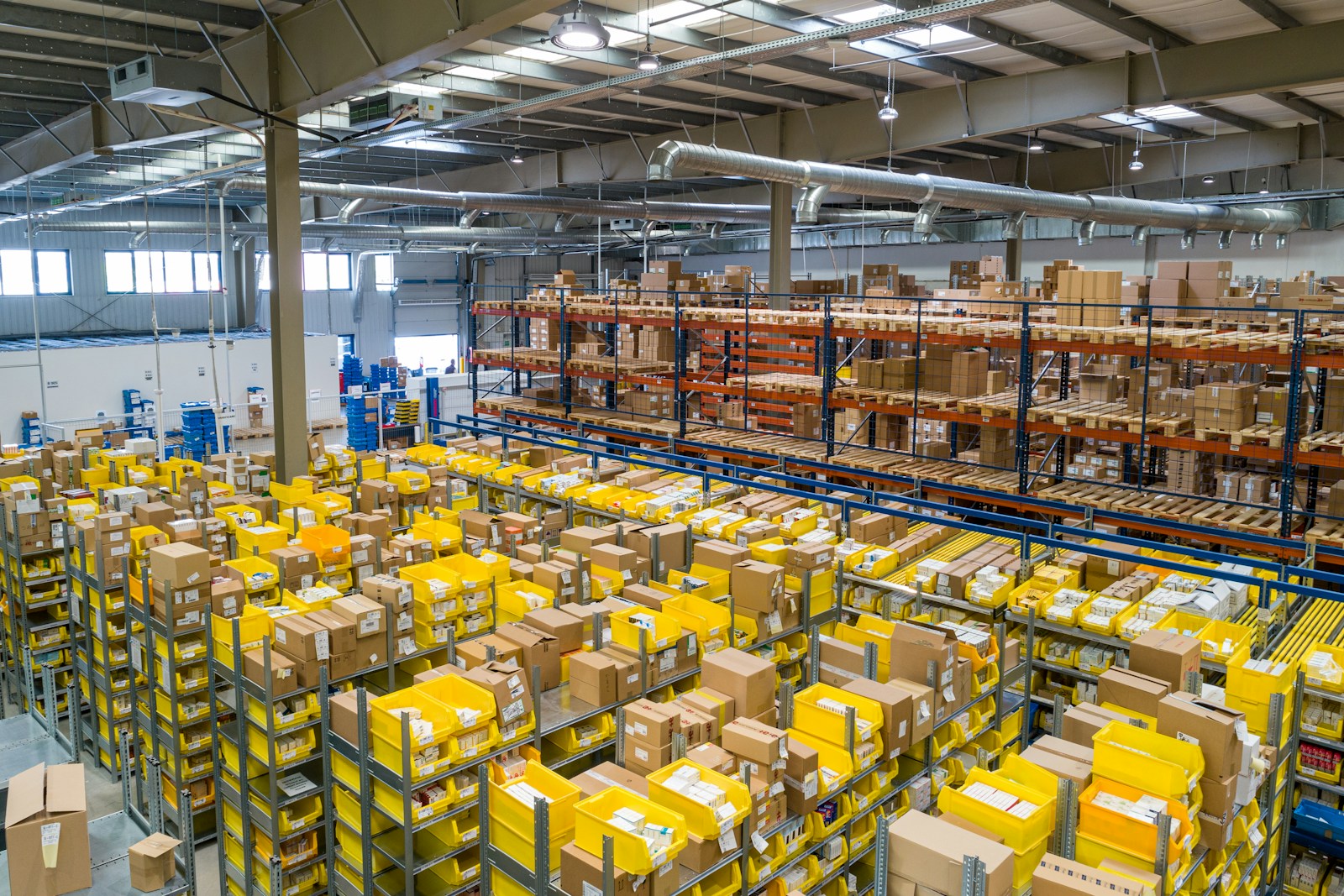
These summaries describe the integration problem, our approach and measurable outcomes. Client names are anonymized where NDAs apply. Each engagement included documented handover to internal teams.
Food & beverage · Ontario
Mixed-SKU palletizing with 3D vision
A regional processor needed to palletize varying carton sizes without reprogramming for every SKU change. We integrated a six-axis arm with a structured-light sensor and a pattern-matching layer that reads label orientation and weight class from the WMS.
Integration included slip-sheet placement, stretch-wrap interlock and Category 3 safeguarding with muting only during defined load windows. Cycle time improved from 14 to 9 cases per minute average across the SKU mix. Maintenance staff retrained two alternate pick patterns after a gripper wear event using our runbook — no emergency vendor visit.
Precision machining · Waterloo Region
CNC tending and inline gauge inspection
A job shop running aluminium housings wanted overnight unattended tending without sacrificing first-off inspection discipline. We paired a collaborative robot with force-limited gripping and a fixed multi-camera gauge station downstream.
ROS 2 nodes coordinate machine door interlocks, chip blow-off and inspection pass/fail routing. False reject rate held below 0.4% after four weeks of production tuning. The safety file documents collaborative speed limits and the operator recovery procedure after a tool break detection event.
Industrial equipment · Southwestern Ontario
Multi-AMR kitting loop
Two buildings separated by a shared corridor required kit carts to move between stores and assembly without adding headcount. We deployed three AMRs with fleet scheduling tied to ERP pick lists and elevator call integration.
Traffic rules prioritise pedestrians at shift change; near-miss logging feeds a weekly review with the client safety committee. Average wait time at handoff dropped from eleven minutes to under four. Map updates after a layout change were performed in-house after a one-day training session at Breithaupt Block.
What these projects share
None began with a brand mandate or a pre-selected robot model. Each started with a written scope, explicit KPIs and a decision gate before capital spend. We measure success by uptime, recoverability and whether your team can explain the system to an auditor six months later.
Integration artefacts transferred in every case: commented source code or project files, I/O maps, safety validation summaries, operator quick-reference cards and a list of consumables with vendor part numbers. Hypercare windows ranged from two to six weeks depending on shift coverage and SKU volatility.
We do not publish client logos without permission. Snapshots here are representative of capability — perception-heavy palletizing, machine-tending with inline gauge inspection and multi-building AMR logistics — not an exhaustive list. NDA engagements in aerospace supply and medical device assembly follow the same delivery standards with stricter data-handling clauses.
If your challenge resembles one of these snapshots — or combines elements across them — start a scoping call. We will tell you where we have done similar work and where your site introduces new variables.
See how we integrate
Walk through our service lines and indicative CAD ranges before you share drawings.